The solar panels price in Pakistan has shifted enough in 2026 that a rooftop system now makes financial sense for far more households than it did just a few years ago. As grid tariffs rise and panel costs fall, families in Kohat and across the country are running the numbers and discovering that solar pays for itself faster than a car or most home renovations. Still, sticker prices alone tell only part of the story. What you really want to understand is cost per watt, how sizing works, and where hidden expenses hide.
This guide walks through what drives panel pricing, how to size an array to your bills, and how to read a quote so you are comparing like with like rather than being seduced by a low headline number.
What Determines Solar Panel Prices
Panel pricing is not one number, it is a blend of several factors that vary by product and supplier. Understanding them stops you overpaying and helps you spot a genuinely good deal.
- Panel technology: Monocrystalline panels cost slightly more but deliver higher efficiency in tight roof spaces.
- Wattage per panel: Higher-wattage modules reduce the number of panels and mounting hardware needed.
- Tier and brand: Tier-1 manufacturers command a premium for proven reliability and bankable warranties.
- Import and logistics: Freight, duties and the rupee exchange rate all feed into the final price.
Thinking in Cost Per Watt
The most useful way to compare panels is cost per watt rather than cost per panel. A 550W panel that costs more than a 450W one may still be cheaper per watt, and it occupies less roof area for the same output. Always divide the price by the wattage to see the true value.
A Simple Sizing Method
You do not need engineering software to estimate your system size. Follow these steps:
- Find your average monthly units consumed from a recent electricity bill.
- Divide by 30 to get daily consumption in units.
- Divide daily units by the average productive sun hours for your area, roughly 4.5 to 5.
- The result is the approximate kilowatt array size you need before adding a small buffer.
Typical System Sizes and What They Power
The table below gives a practical sense of how array size maps to household needs. Actual output depends on shading, orientation and panel quality.
| System Size | Rough Daily Output | Typical Home Suited |
|---|---|---|
| 3 kW | 12 to 15 units | Small home, fans, lights, fridge |
| 5 kW | 20 to 25 units | Mid-size home with one AC |
| 7.5 kW | 30 to 38 units | Larger home, multiple ACs |
| 10 kW | 40 to 50 units | Large villa or small business |
Reading a Quote Without Getting Misled
A cheap headline figure often excludes essentials. When you request pricing, insist that the quote lists panels, the inverter, mounting structure, cabling, protection devices and installation labour separately. Only then can you compare suppliers fairly.
The inverter is a major line item in its own right, so review solar inverter price in Pakistan before finalising, because pairing premium panels with a weak inverter undermines the whole investment. For current module pricing, checking transparent listings for solar panels price in Pakistan helps you benchmark any quote you receive.
Hidden Costs to Ask About
- Structure height and wind-load reinforcement for exposed roofs.
- Cable runs longer than standard, which add copper cost.
- Net metering application and documentation fees.
- Earthing and lightning protection where required.
Why Panel Prices Keep Falling
Global manufacturing scale continues to push module costs down year after year. The International Energy Agency (IEA) reports that solar photovoltaics have become the lowest-cost option for new electricity in most markets, a trend that directly benefits Pakistani buyers as international prices feed through to local suppliers.
Monocrystalline Versus Polycrystalline in 2026
Buyers frequently ask which panel technology offers better value today. The answer has shifted as manufacturing has matured. Monocrystalline panels now dominate the residential market because their higher efficiency squeezes more watts from limited roof area, which matters for compact urban homes.
Polycrystalline panels remain cheaper per panel but occupy more space for the same output. For a roof with plenty of room and a tight budget, they can still make sense. For most homes in Kohat, however, monocrystalline modules deliver a better long-term return because they generate more energy across the year and hold value better.
Efficiency and Roof Space Trade-off
Think of efficiency as how much of the sunlight hitting a panel becomes usable electricity. Higher efficiency means fewer panels, less mounting hardware and shorter cable runs, all of which trim the balance-of-system cost. That is why comparing only the price per panel can be misleading; the total installed cost often favours the more efficient module.
Warranties Are Part of the Price
A panel’s warranty is effectively insurance you pay for upfront, so treat it as part of the price. Reputable manufacturers offer a product warranty covering defects and a separate performance warranty guaranteeing a minimum output after 25 years. A panel that costs slightly more but guarantees stronger long-term performance is frequently the cheaper choice over its lifetime.
Getting the Installation Right
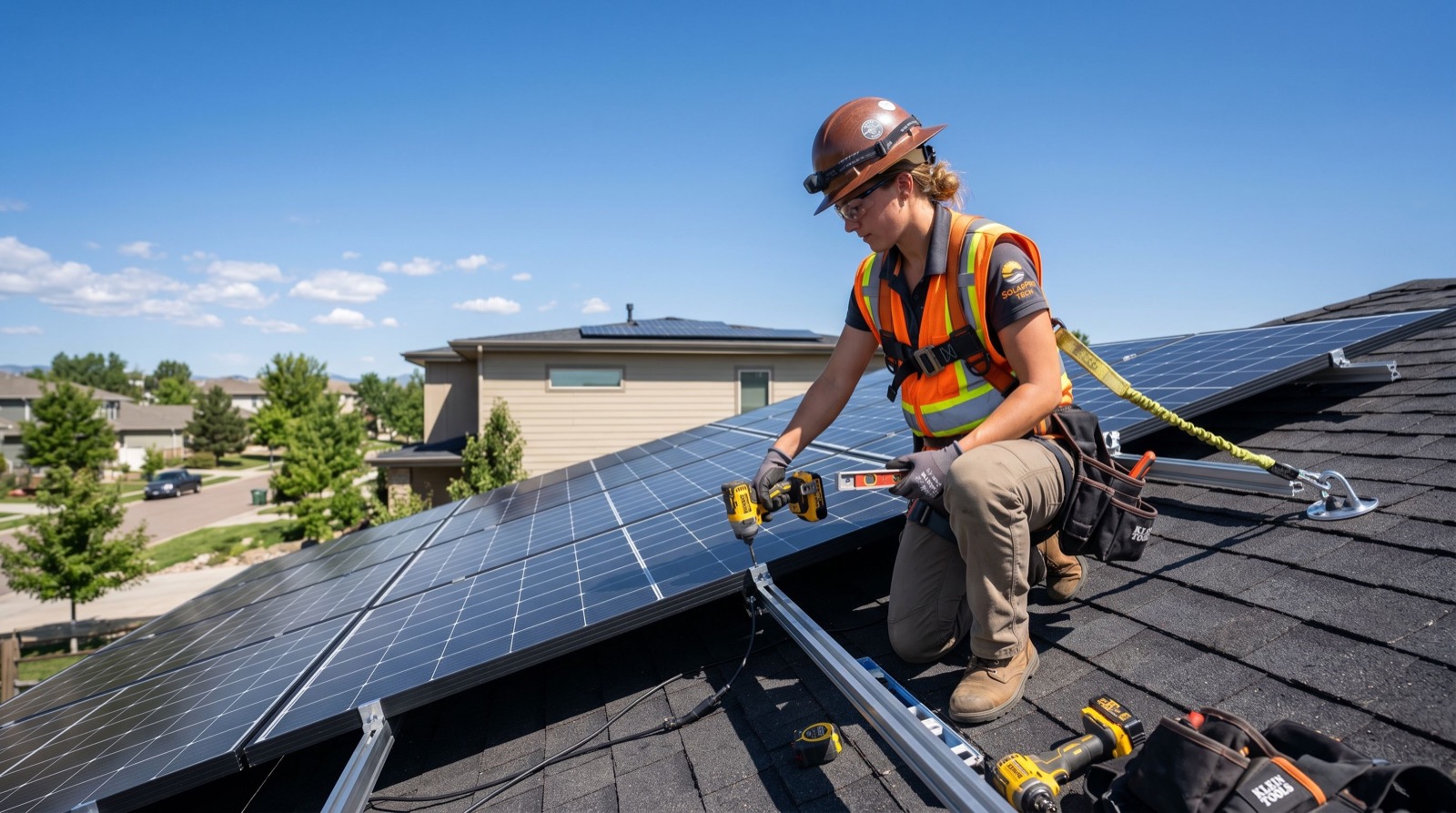
Even the best-priced panels disappoint if they are installed poorly. Correct tilt, orientation toward the south, and shade-free placement can swing annual output by double digits. Loose connections, undersized cables and weak mounting structures also quietly erode performance and safety over time.
This is where working with trusted professionals protects the money you invested in hardware. A skilled installer positions every panel for maximum yield, secures the structure against wind load and commissions the system so net metering works from the first billing cycle.
Frequently Asked Questions
How much do solar panels cost for an average home in Pakistan?
A typical 5kW residential system covers many mid-size homes, and the panels are only one part of the total. Because prices move with the exchange rate and product tier, always request an itemised quote for current solar panels price in Pakistan rather than relying on old figures.
Are more expensive panels always better?
Not always, but premium panels usually offer higher efficiency and stronger warranties. Judge value by cost per watt and warranty terms, not by the lowest upfront price alone.
How long before solar panels pay for themselves?
With rising tariffs and net metering, many households recover their investment within a few years. Higher electricity usage generally means a faster payback because you displace more expensive grid power.
Do panel prices change often?
Yes. Because most panels are imported, prices shift with global supply and the rupee. It is wise to confirm the latest figures before committing to a purchase.
Final Thoughts
Understanding the solar panels price in Pakistan means looking past the headline number to cost per watt, correct sizing and a fully itemised quote. Benchmark current prices, insist on transparency, and pair quality panels with a capable inverter and professional installation. Do that and your rooftop becomes a quiet, reliable hedge against ever-climbing electricity bills.