
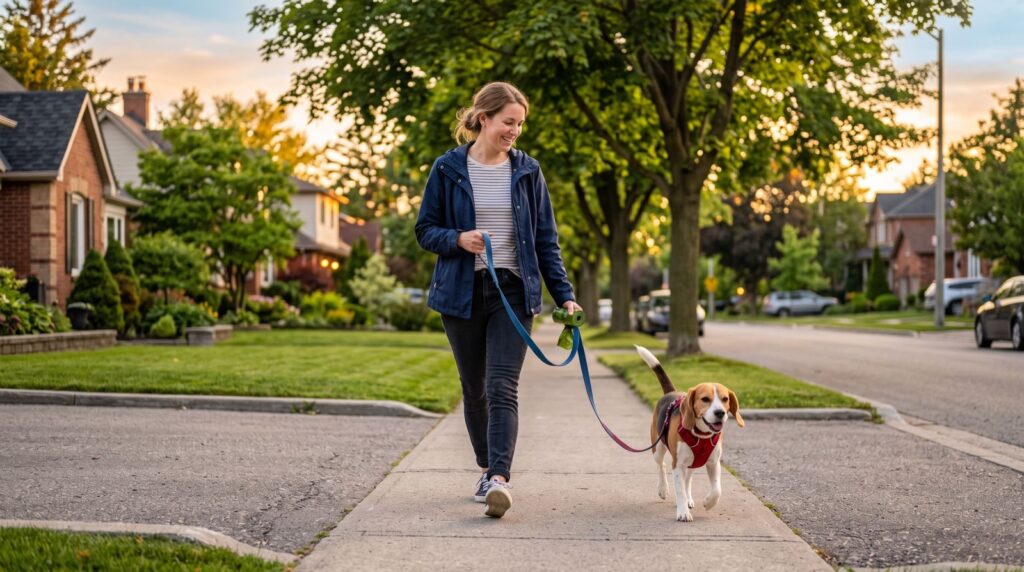
Dog Waste Cleanup: A Smart 2026 Backyard Routine
Staying on top of dog waste cleanup is the difference between a fresh backyard and a minefield you tiptoe across. For busy owners in 2026, the secret is not working harder but building a simple, repeatable routine. This guide gives you the exact daily and weekly habits that keep your yard sanitary, odor-free, and safe for the whole family.
No guilt, no marathon weekend cleanups. Just a few minutes a day with the right tools and a plan you can actually stick to. Let’s build a system that runs almost on autopilot.
Why a Consistent Dog Waste Cleanup Routine Matters
Left alone, waste does more than smell. It attracts flies, breeds bacteria, and can wash into storm drains after rain. The EPA classifies pet waste as a real source of water pollution, which is why prompt removal protects your neighborhood as much as your lawn.
There is a health angle too. Parasites like roundworm and hookworm survive in soil for months, putting kids and other pets at risk. A steady dog waste cleanup habit breaks that cycle before it starts.
Consistency also protects your grass. Waste left too long burns brown patches into an otherwise healthy lawn. Little and often always beats a rare, overwhelming cleanup.
What Does an Ideal Daily and Weekly Schedule Look Like?
The best routine fits into gaps you already have, like the morning coffee walk or the evening let-out. Anchor cleanup to habits you never skip and it becomes automatic.
Your Daily 5-Minute Sweep
Once a day, walk the yard with a scooper and a bag. Hit the high-traffic corners your dog favors first. A quick daily pass means you are only ever removing fresh waste, which is faster and far less unpleasant.
Your Weekly Deep Clean
Once a week, do a fuller sweep including the perimeter, under bushes, and along the fence line. This is also when you rinse hard surfaces and treat any lingering odor spots. Fifteen minutes weekly prevents buildup you would otherwise dread.
Tools That Make Cleanup Effortless
The right gear turns a chore into a habit. You do not need much, but quality matters more than quantity.
A long-handled tool saves your back and speeds every pass. A dependable Heavy Duty Pooper Scooper with strong jaws grabs waste in one motion on grass or pavement, so you spend seconds, not minutes. Pair it with strong, leak-proof heavy duty bags and the whole job stays clean and odor-sealed.
Tool Comparison for Busy Owners
| Tool | Time Per Use | Back Strain | Best For |
|---|---|---|---|
| Long-handle jaw scooper | Under 1 min | Very low | Daily sweeps |
| Bags only (hand pickup) | 2-3 min | High | Walks away from home |
| Rake and tray | 3-5 min | Medium | Weekly deep clean |
| Hose and enzyme spray | 5 min | Low | Odor and sanitizing |
Keeping the Yard Odor-Free and Sanitary
Removing waste is step one, but odor and bacteria need a little extra attention. These habits keep your yard genuinely fresh, not just picked up.
- Rinse hot spots weekly — a quick hose-down dilutes residue on patios and pavers.
- Use an enzyme cleaner — it breaks down odor at the source instead of masking it.
- Rotate potty zones — training your dog to one area makes cleanup faster and spares the rest of the lawn.
- Bag and seal immediately — trapped waste in a strong bag stops flies and smell.
- Aerate compacted spots — healthy soil processes trace residue better.
A Repeatable Weekly Order of Operations
Run these steps in sequence and your yard stays consistently clean.
- Do your normal daily scoop of fresh waste.
- Sweep the perimeter and shaded hiding spots.
- Rinse hard surfaces with the hose.
- Spray odor-prone zones with an enzyme cleaner.
- Seal all bags and take them to the bin.
- Rinse your scooper and store it dry.
Building good habits often means learning from trusted professionals who systemize the boring stuff. The same principle applies here: a checklist beats willpower every time.
Making the Routine Stick
The best routine is the one you actually follow. Keep your scooper and bags by the back door so there is zero friction to getting started. Visible tools become used tools.
Tie cleanup to an existing anchor, like the first morning let-out, and it stops feeling like a separate task. Within two weeks it becomes second nature. For families, sharing the schedule keeps everyone accountable and spreads the load.
Responsible pet ownership also supports community health. The AVMA recommends prompt waste removal as a basic part of keeping both pets and people safe from preventable disease.
Track your streak for the first month if that helps. A simple check mark on the calendar after each daily sweep turns the routine into a small win you can see, and momentum does the rest. Once the habit is locked in, you can drop the tracking entirely.
Seasonal Adjustments for Year-Round Cleanliness
A great routine flexes with the weather. Each season brings its own dog waste cleanup challenge, and a few tweaks keep your yard fresh no matter the forecast.
In summer, heat accelerates odor and flies, so lean on daily pickup and more frequent enzyme spraying. Fall means fallen leaves can hide waste, making a long-handled heavy duty pooper scooper especially valuable for probing under cover.
Winter freezes waste solid, which is actually easier to lift with strong metal jaws, but snow can bury problem spots until a thaw. Spring is the time for a thorough reset, clearing anything the winter hid before new grass comes in. Adjusting with the seasons keeps the whole system reliable across the entire year.
Frequently Asked Questions
How often should I do dog waste cleanup in my yard?
A quick daily sweep is ideal, paired with one deeper weekly clean. Daily pickup keeps odor and parasites in check and makes each session fast because you are only handling fresh waste.
What is the fastest tool for daily cleanup?
A long-handled heavy duty pooper scooper is the fastest option because it grabs waste in one motion without bending. Paired with strong bags, most daily sweeps take under a minute.
How do I get rid of the lingering smell in my yard?
Rinse hard surfaces weekly and treat problem areas with an enzyme cleaner that digests odor at the source. Rotating your dog to one potty zone also concentrates and simplifies the cleanup.
Is dog waste actually harmful to my lawn and family?
Yes. Waste burns grass, attracts pests, and carries parasites that survive in soil for months. Consistent removal protects your lawn, your water runoff, and your family’s health.
Start Your Fresh-Yard Routine Today
A reliable dog waste cleanup routine takes just minutes a day and pays off in a cleaner, safer, better-smelling backyard all year. Grab a long-handled scooper and strong bags, anchor the habit to your daily walk, and follow the weekly checklist. Start today and enjoy a yard the whole family can love in 2026.