How to Choose a Solar Company in Pakistan: A City-by-City Buyer’s Guide for 2026
Picking the right solar company in Pakistan is the single decision that determines whether your rooftop system saves money for the next 25 years or becomes a source of endless service calls. With electricity tariffs climbing and grid reliability wobbling, thousands of households and businesses are going solar in 2026, yet the quality of installers varies wildly from one city to the next. This guide walks you through exactly what to look for, how requirements differ across major cities, and the questions that separate a genuine installer from a fly-by-night reseller.
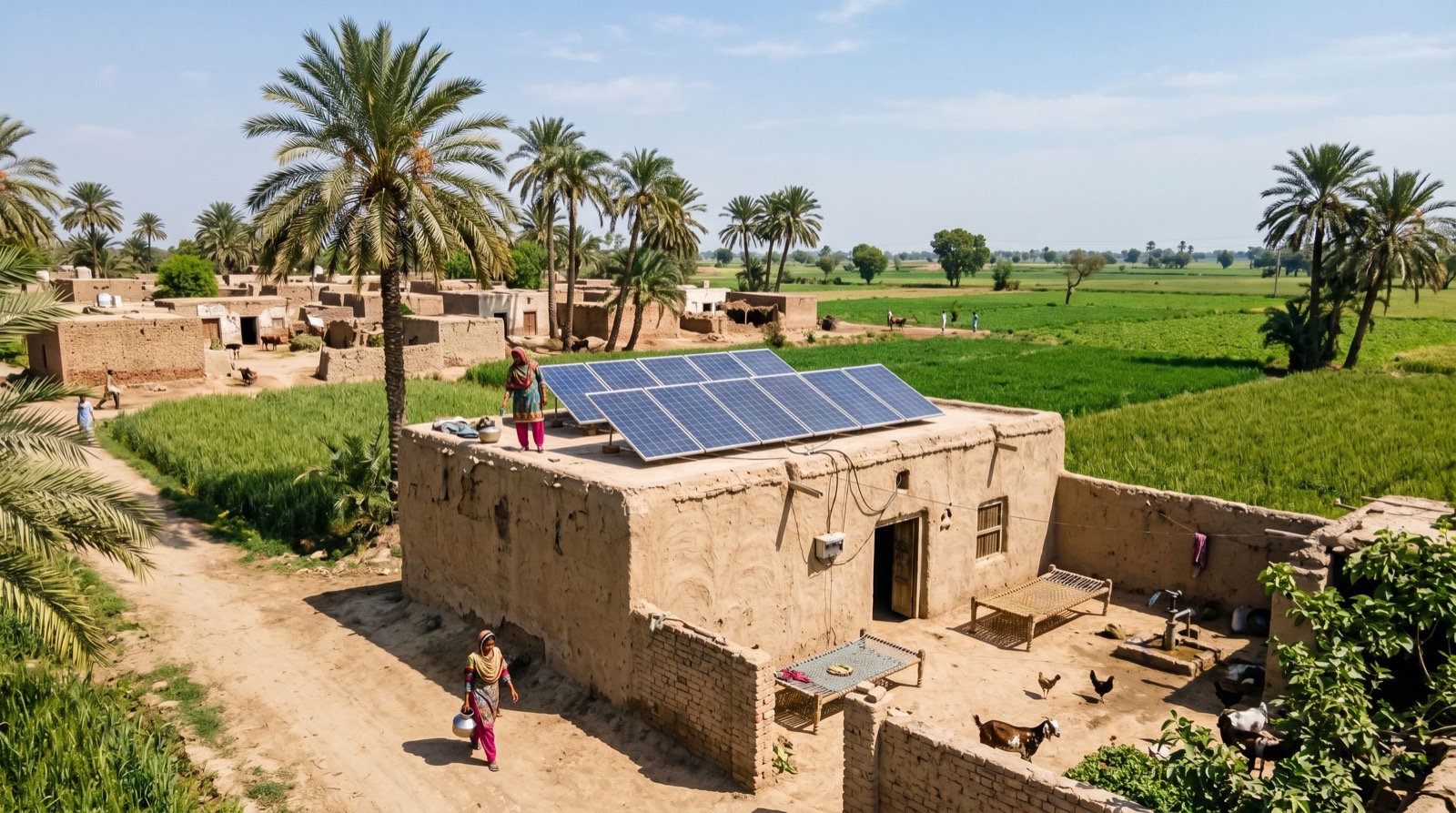
Solar power is no longer a luxury reserved for the wealthy. Panel prices have fallen sharply, financing options have multiplied, and net metering rules now let ordinary consumers sell surplus units back to the grid. The catch is that a solar system is only as good as the company that designs, sizes, and commissions it.
Why Choosing the Right Solar Company Matters More Than the Panels
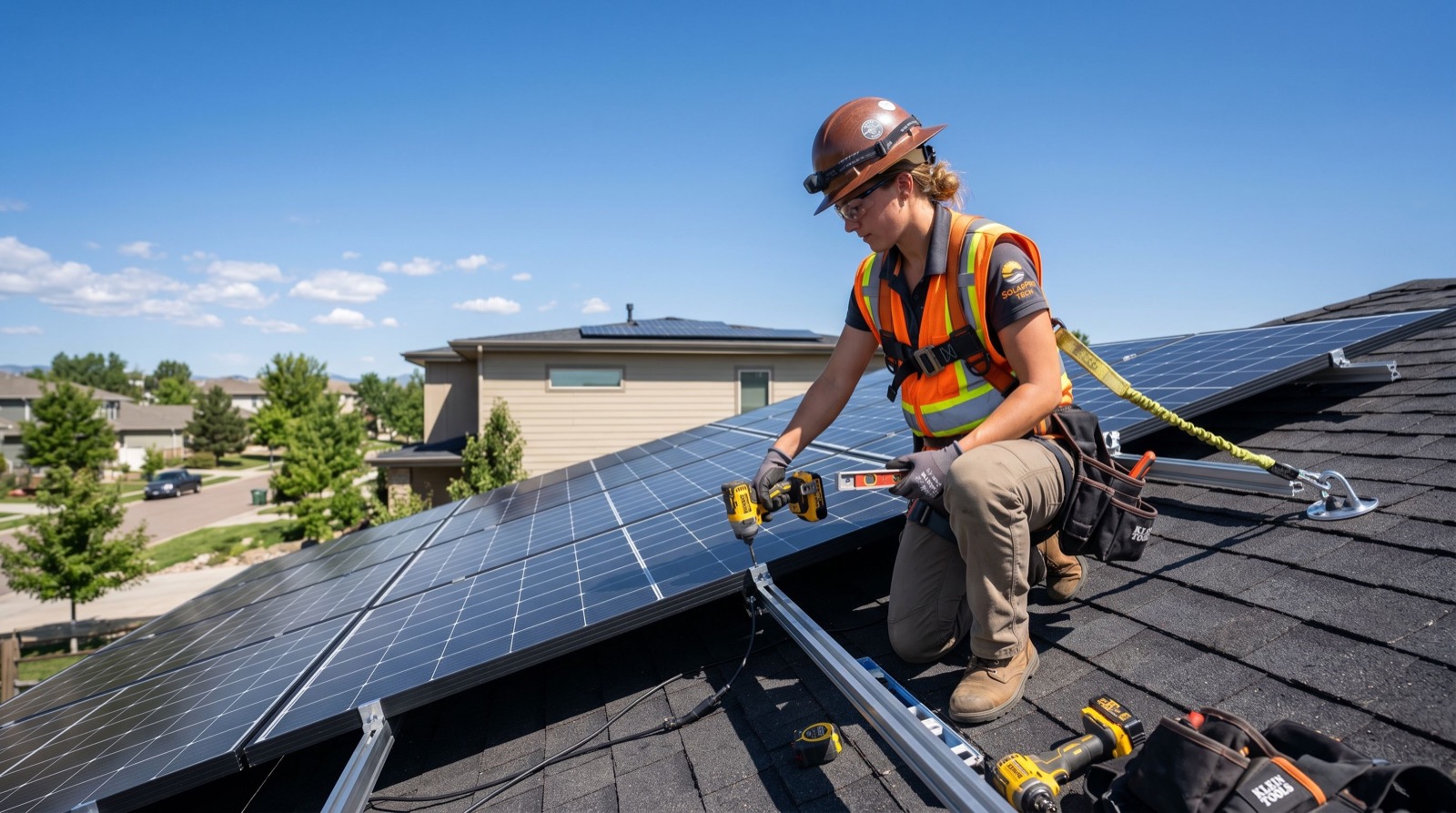
Most buyers obsess over panel brands and forget that installation quality drives long-term performance. A premium panel wired by a careless crew will underperform a mid-tier panel installed correctly. Workmanship affects shading losses, cable resistance, inverter placement, and how quickly you get help when something fails.
Reputable installers also handle the paperwork that trips up DIY buyers, including net metering applications, load calculations, and structural checks. When you hire experienced, dependable specialists, you are buying peace of mind alongside the hardware.
The hidden costs of a bad installation
- Undersized cabling that overheats and wastes generated power.
- Poor roof anchoring that leaks during monsoon season.
- Mismatched inverters that clip production on sunny afternoons.
- No after-sales support when panels degrade or an inverter faults.
What Separates a Good Solar Company From a Bad One
Before you sign anything, run every candidate through the same checklist. A trustworthy company answers these questions clearly and in writing.
- Experience and portfolio: Ask for recent installations you can visit or verify.
- Component transparency: Genuine Tier-1 panels and reputable inverters, with datasheets provided.
- Net metering support: A team that files and follows up on your application end to end.
- Warranty clarity: Separate warranties for panels, inverters, and workmanship.
- Realistic yield estimates: Numbers based on your roof, shading, and local irradiance, not fantasy figures.
According to the International Energy Agency, solar PV is now the cheapest source of new electricity generation in most markets, which makes a well-installed system a genuinely smart financial move.
How Solar Requirements Differ Across Pakistani Cities
Pakistan is a large country with big climate swings, so the ideal system in one city is not the ideal system in another. Solar irradiance, dust, heat, and rooftop styles all shift what your installer should recommend.
Southern and central Punjab
Cities in the hot southern belt receive intense sunlight but also brutal summer heat and dust. Panels here need robust mounting, higher temperature coefficients, and regular cleaning schedules. A knowledgeable solar company in Multan will factor in heat derating so your system does not lose output on the hottest days.
Northern regions
Further north, winters are colder and cloud cover is more common in certain months. Systems there benefit from slightly larger arrays to compensate for reduced winter irradiance. A capable solar company in Peshawar understands these seasonal patterns and sizes the array so annual generation still comfortably offsets your bills.
Comparing System Sizes and What They Power
Use this table as a rough starting point. Your installer should refine it after auditing your actual consumption.
| System Size | Approx. Daily Output | Typical Use Case | Rough Roof Space |
|---|---|---|---|
| 3 kW | 12–15 units | Small home, fans, lights, fridge | ~200 sq ft |
| 5 kW | 20–26 units | Mid-size home with 1–2 AC units | ~330 sq ft |
| 10 kW | 40–52 units | Large home or small shop | ~650 sq ft |
| 15 kW+ | 60+ units | Commercial premises, offices | ~1,000+ sq ft |
Questions to Ask Before You Sign the Contract
Interview at least three companies. The good ones welcome scrutiny; the weak ones dodge specifics. Ask about panel origin, expected degradation rate, inverter brand, and whether the quote includes net metering registration.
- Who performs the actual installation, in-house crews or subcontractors?
- What happens if generation falls short of your estimate?
- How fast is your response time for service complaints?
- Is the mounting structure rated for local wind loads?
Red flags to walk away from
Be cautious of quotes far below the market, refusal to name component brands, pressure to pay everything upfront, and vague warranty language. A serious solar company in Pakistan will document each commitment in writing.
Financing and Payback in 2026
Solar economics have improved dramatically. Many households now recover their investment in three to five years, after which the electricity is effectively free for two decades. Net metering shortens payback further by crediting exported units. Bank leasing and installment plans have also made larger systems accessible to middle-income families this year.
Remember that the cheapest quote rarely delivers the lowest lifetime cost. A slightly higher upfront investment in quality panels, a reliable inverter, and skilled installation almost always wins over 25 years.
Frequently Asked Questions
How do I verify a solar company is genuine?
Check completed installations, ask for component datasheets, confirm they handle net metering, and read independent reviews. A genuine installer provides written warranties for panels, inverter, and workmanship.
Does city location really change what solar system I need?
Yes. Heat, dust, cloud cover, and seasonal irradiance vary across Pakistan, so array size, panel type, and cleaning frequency should be tailored to your specific city and rooftop.
What size solar system is best for an average home?
Most families with one or two air conditioners are well served by a 5 kW to 10 kW system, but the right size depends on your actual monthly units, not a generic rule of thumb.
Is net metering worth applying for in 2026?
Absolutely. Net metering lets you export surplus generation to the grid for credits, cutting your payback period and increasing lifetime savings on a well-sized system.
Maintenance, Monitoring, and Long-Term Care
A solar system is not a fit-and-forget appliance, and the company you choose should support it for years. Panels lose a little output as dust builds up, so a periodic cleaning routine keeps generation high, especially in dusty southern cities. Good installers also fit monitoring so you can watch daily output from your phone and catch faults early.
Ask each candidate whether they offer annual health checks, remote monitoring, and a clear escalation path for warranty claims. A company that vanishes after commissioning is a poor partner, while one that schedules follow-up visits protects your investment across its full 25-year life.
Simple habits that extend system life
- Clean panels before and after peak dust seasons.
- Check the inverter display or app weekly for error codes.
- Keep vegetation and new construction from casting fresh shade.
- Log your monthly units so you notice any gradual decline.
Final Thoughts
Choosing a solar company in Pakistan is really about choosing a long-term partner. Compare experience, insist on transparent components, verify net metering support, and match the system to your city’s climate. Do that homework in 2026 and your rooftop will quietly pay you back for the next 25 years. Book a proper site survey, get everything in writing, and go solar with confidence.