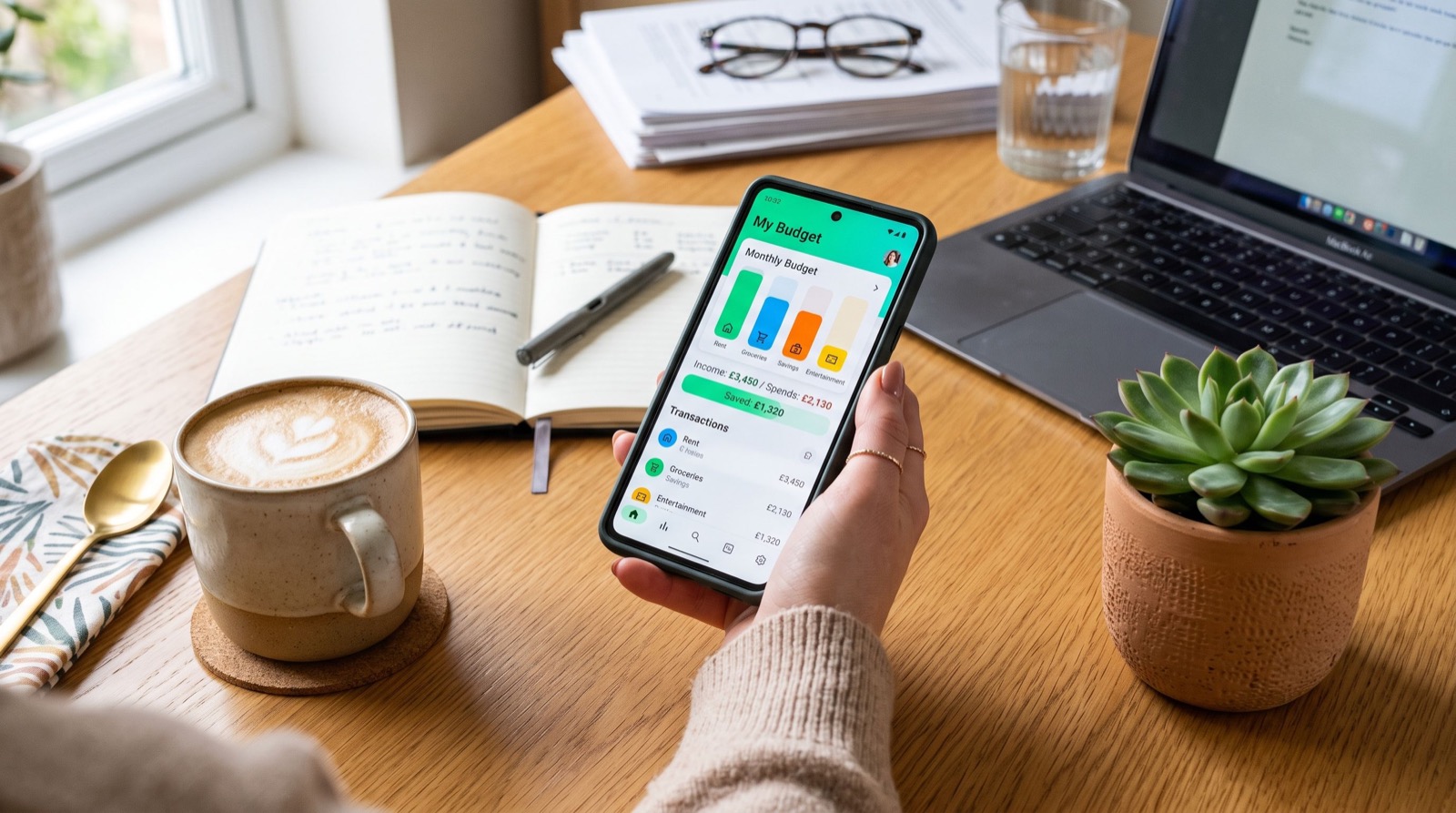
How Money Apps Are Quietly Reshaping Everyday Life in 2026
A decade ago, managing money meant paper statements, a trip to the bank, and a monthly reconciliation you probably skipped. Today, money apps handle most of that in the background before you finish your morning coffee. This article looks at how these tools fit into real daily routines in 2026, where they genuinely help, where they can quietly hurt, and how to use them with intention rather than drift.
This is not a ranking of features. It is a practical look at behavior, because the value of money apps depends far less on the software and far more on the habits you build around them. Let us explore how they change the rhythm of everyday financial life.
The New Daily Money Routine
Automation has replaced ritual. Paychecks arrive by direct deposit, bills pay themselves, and a round-up rule tucks spare change into savings while you sleep. For many households, money apps have turned dozens of small monthly chores into a system that simply runs.
That convenience is real, but it creates a new challenge: invisibility. When money moves automatically, it is easy to stop paying attention. The healthiest users pair automation with a short weekly check-in, so they stay aware without doing manual labor.
Where Money Apps Genuinely Help
Used well, these tools remove the friction that causes most financial procrastination. Here are the areas where they deliver the most measurable value.
- Consistency. Automatic transfers save without relying on willpower.
- Awareness. Real-time alerts show spending as it happens, not weeks later.
- Access. Fractional investing and high-yield savings are open to anyone with a phone.
- Speed. Splitting a dinner bill takes seconds instead of an awkward cash hunt.
Research backs this up. The U.S. Federal Reserve’s household well-being report notes how widely digital financial tools are now used across income levels, a shift that has made basic services far more accessible than they were a generation ago.
The Hidden Costs of Convenience
Every convenience carries a trade-off. The same frictionless design that helps you save can also help you overspend. One-tap payments and buy-now-pay-later options remove the healthy pause that used to make you reconsider a purchase.
Three risks deserve attention:
- Fee creep. Small monthly subscriptions and instant-transfer charges add up quietly.
- Spending blindness. When paying feels effortless, totals climb without registering.
- Security exposure. More linked accounts mean more potential entry points for fraud.
The solution is not to abandon money apps but to use them deliberately. A quick monthly audit of fees and a review of linked accounts keeps convenience from turning into a leak.
Are Money Apps Safe for Everyday Use?
This is the question readers ask most, and the honest answer is: yes, with reasonable precautions. Most reputable services use strong encryption and partner with insured banks, but your own habits are the weakest link. The Consumer Financial Protection Bureau recommends knowing exactly who holds your money and how disputes are resolved before linking any account.
Everyday safety checklist
- Turn on two-factor authentication everywhere it is offered.
- Use a unique, strong password for each financial app.
- Enable transaction alerts so fraud surfaces within minutes.
- Keep large savings in an insured bank, not an app balance.
- Review and revoke app permissions you no longer use.
Treat these steps as part of your routine, the same way you lock your front door. Browsing solid money apps reviews before you install anything also helps you avoid lookalike scams and low-quality tools.
Building Habits That Outlast the Tech
Apps come and go, but habits compound. The most financially healthy people treat software as a helper, not a substitute for judgment. Pair your tools with a few timeless personal finance tips: spend less than you earn, keep an emergency fund, and review your money weekly.
The table below shows how a simple weekly rhythm turns passive automation into active control.
| Frequency | Action | Why it matters |
|---|---|---|
| Daily | Glance at alerts | Catches fraud and impulse buys fast |
| Weekly | Review spending by category | Keeps automation visible |
| Monthly | Audit fees and subscriptions | Stops silent money leaks |
| Quarterly | Check security and permissions | Reduces fraud exposure |
When to Step Back and Get Help
Technology handles the routine, but big decisions still benefit from human judgment. For major milestones like buying a home, starting a business, or planning retirement, consider pairing your apps with guidance from reliable local experts who can see your full picture and flag blind spots an algorithm misses.
The best approach blends both worlds: let money apps automate the day-to-day, and reserve your attention and professional advice for the choices that truly move the needle.
How Different Generations Use Money Apps
Adoption looks different across age groups, and understanding those patterns helps you spot blind spots in your own habits. Younger users tend to embrace payments and investing quickly but sometimes overlook long-term planning. Older users often prioritize security and savings but underuse automation that could save them time.
The lesson is to borrow the best from each. Combine the younger instinct to automate and invest early with the older discipline of guarding security and keeping solid reserves. That blend produces the most resilient everyday money system.
Teaching the next generation
Money apps also double as teaching tools. Family-friendly versions let parents give allowances, set spending controls, and show children how saving and spending trade off in real time. Learning these lessons young builds habits that last a lifetime.
The Future of Everyday Money Management
Expect the trend toward invisible, automated finance to accelerate. Features like smart categorization, predictive low-balance warnings, and instant account-to-account transfers are becoming standard rather than premium. The direction is clear: less manual effort, more real-time insight.
With that power comes responsibility. As tools get smarter, the discipline to review, question, and occasionally override them matters more, not less. Technology should widen your options, never make your decisions for you.
- Watch for: clearer fee disclosures as regulators push for transparency.
- Watch for: tighter security standards and wider use of biometrics.
- Watch for: more integration between banking, saving, and investing in one place.
Staying informed keeps you ahead. The households that thrive will be those who adopt helpful features early while keeping their guard up on fees and security.
Frequently Asked Questions
Do money apps actually change spending behavior?
Yes, in both directions. Alerts and auto-saving encourage good habits, while one-tap payments can increase impulse buying. A weekly review keeps the balance tilted toward healthy behavior.
How many money apps is too many?
More apps mean more fees and more security exposure. Most people do best with two or three that cover budgeting, saving, and payments, rather than a crowded screen of overlapping tools.
Are free money apps good enough?
For most everyday needs, yes. Free tiers handle budgeting, saving, and payments well. Pay for premium only when a specific feature clearly saves or earns you more than it costs.
What is the single most important safety step?
Enable two-factor authentication on every financial account. It is the simplest change that blocks the majority of unauthorized access attempts.
Conclusion
Money apps have quietly rewired how we save, spend, and pay, mostly for the better. The key is intention: automate the routine, stay alert to fees and security, and lean on human expertise for the big calls. Set up your weekly rhythm this week, and let smart tools work for you instead of around you.