Queue Management System in Saudi Arabia: 7 Smart Wins
Waiting in line is one of the few universal frustrations that technology can genuinely fix. A queue management system in Saudi Arabia turns a chaotic lobby into an organized, measurable experience where every customer knows their place and every manager knows their numbers. As service expectations climb in 2026, that clarity is becoming a competitive advantage rather than a luxury.
Instead of another generic overview, this article is organized around seven concrete wins that operators actually notice after switching to structured queuing. Each one comes from patterns we see repeated across Riyadh, Jeddah, and the Eastern Province.
Win 1: Customers Stop Feeling Trapped in Line
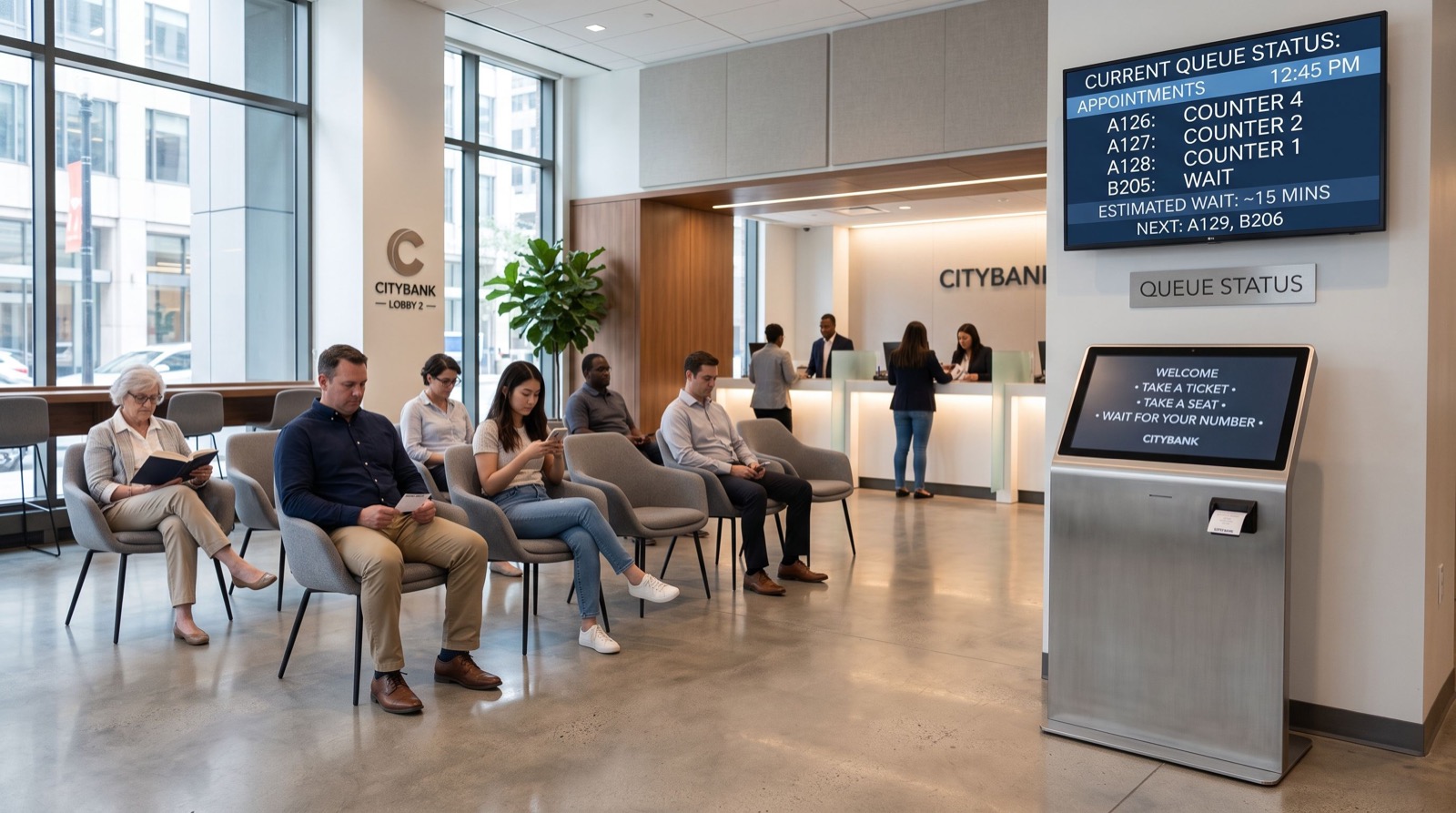
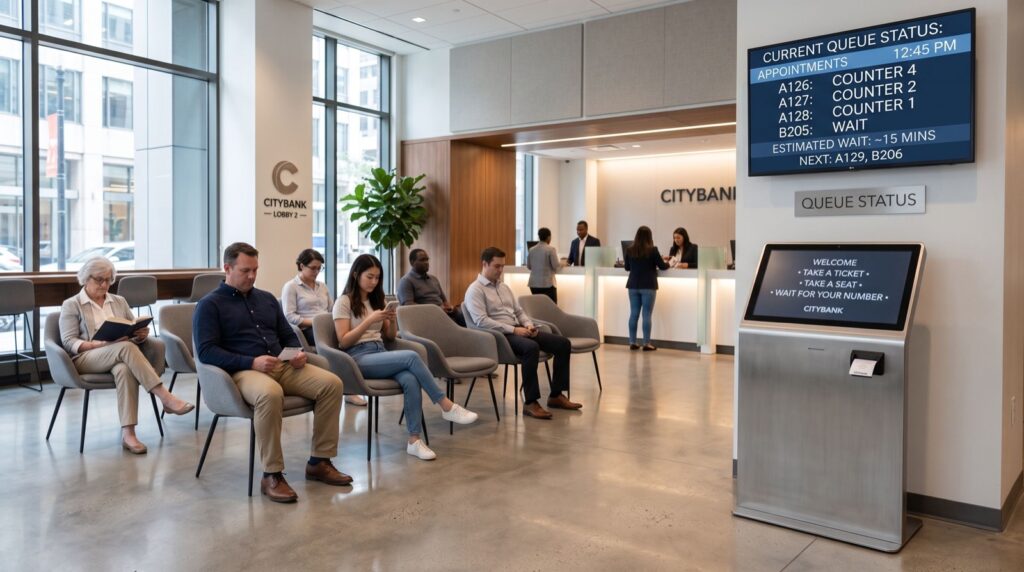
The single biggest complaint about waiting is uncertainty. When people do not know how long they will stand there, five minutes feels like twenty. A queuing platform assigns a position and an estimated time, which instantly lowers anxiety.
With virtual and mobile options, customers can even leave the counter area entirely. They grab a digital ticket, run an errand, and return when a notification tells them their turn is close. That freedom alone reshapes how a branch feels.
Win 2: Staff Get Coached by Real Data
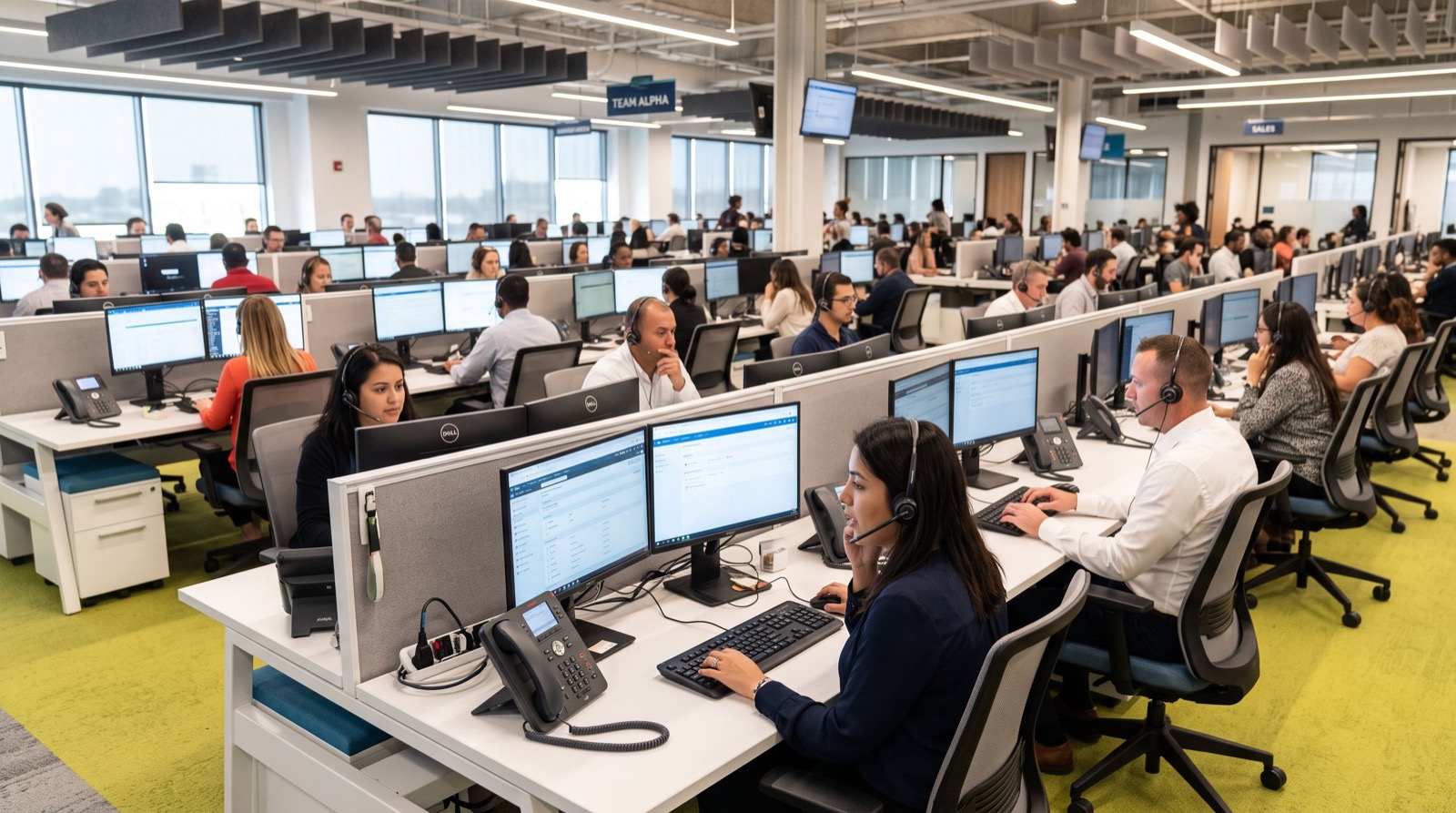
Every ticket, call, and transfer becomes a data point. Supervisors can finally see which counters are slow, which hours spike, and which service types eat the most time. Instead of guessing, they schedule staff around evidence.
What metrics matter most?
The metrics that drive real improvement are average wait time, average service time, abandonment rate, and staff utilization. Track these four consistently and you will spot bottlenecks weeks before they turn into complaints. A modern queue management system in saudi arabia exposes all four on a single live dashboard.
Win 3: Segmentation Protects Your Best Customers
Not every visitor should wait in the same line. Banks route premium and corporate clients into priority flows, clinics separate urgent from routine cases, and telecom shops direct upgrade customers away from quick top-up traffic.
- Priority lanes for high-value or vulnerable customers.
- Appointment holders who bypass the general queue.
- Self-service kiosks that absorb simple, fast tasks.
This kind of intelligent routing keeps your most important relationships from getting stuck behind a five-minute password reset.
Win 4: The Drive-Thru Lane Joins the Party
Queuing is no longer confined to indoor counters. Pharmacies, quick-service restaurants, and even some banking services now run lane-based flows outside the building. A well-designed Drive-Thru Solution in Saudi Arabia applies the same discipline of timing, guiding, and measuring to vehicles instead of foot traffic.
The result is a unified view of service speed whether a customer walks in or drives up. Operators who connect both channels can compare lane performance against counter performance and staff accordingly.
Win 5: Bilingual Service Feels Effortless
Saudi Arabia is a multilingual marketplace, and screens that only speak one language quietly frustrate half your audience. Systems built for the Kingdom deliver Arabic, English, and right-to-left layouts across kiosks, displays, and mobile tickets by default.
Win 6: Fewer No-Shows and Walk-Aways
Long, opaque lines cause people to abandon a visit entirely. That lost visit is a lost sale, a lost appointment, and often a bad review. By shrinking perceived wait times and offering virtual tickets, structured queuing measurably reduces walk-aways.
How much can wait times realistically drop?
Results vary by venue, but branches that add smart routing and open-counter alerts commonly report meaningful reductions in both perceived and actual waits within the first month. The gains are largest where queues were previously unmanaged and staffing was reactive rather than planned.
Win 7: A Foundation for Vision 2030 Service Standards
The Kingdom’s national transformation agenda puts customer experience at the center of both public and private services. The government’s own Vision 2030 program emphasizes efficient, citizen-first service delivery, and queuing technology is a practical building block toward that standard.
The Hidden Value of Clean Queuing Data
Managers often adopt queuing to shorten lines, then discover the reporting is the real prize. Once every interaction is timestamped, patterns emerge that were previously invisible. You learn that Tuesday mornings need two extra agents, or that account-opening transactions take three times longer than top-ups.
That insight reshapes decisions well beyond the lobby. Marketing teams schedule promotions around quieter windows, HR builds smarter shift rosters, and finance justifies headcount with evidence instead of anecdotes. In 2026, this operational intelligence is what turns a queuing platform from a cost into a strategic asset that pays dividends across the whole business.
Approach Comparison at a Glance
The table below summarizes how three common queuing strategies stack up for a 2026 deployment.
| Criteria | Ticket Only | Mobile Virtual Queue | Unified Indoor + Lane |
|---|---|---|---|
| Customer freedom | Low | High | High |
| Data richness | Basic counts | Service levels | Cross-channel SLA |
| Setup effort | Low | Medium | Higher |
| Ideal venue | Small clinic | Retail store | Bank, pharmacy chain |
A practical rollout tip
Do not try to solve every counter on day one. Start with your busiest single location, tune the routing rules, and only then replicate the proven setup. Partnering with reliable local experts who handle both hardware and workflow design keeps a phased rollout on schedule.
Frequently Asked Questions
What is the difference between a physical and a virtual queue?
A physical queue issues a printed ticket at a kiosk, while a virtual queue lets customers join remotely via a QR code or app and wait wherever they like. Many 2026 deployments blend both so every visitor can pick the option that suits them.
Can one system cover multiple branches?
Yes. Enterprise platforms centralize reporting across an entire network, so head office can compare branch performance, spot outliers, and standardize service levels from a single dashboard.
Do I need new hardware to add a drive-thru lane?
Usually you add lane-specific equipment such as audio headsets and sensors, but the analytics can feed into the same platform you already use indoors. That shared reporting is what makes the combined view so valuable.
Is the data secure and private?
Reputable vendors follow data-protection best practices and store only what is needed to manage the queue. Ask any provider about their compliance posture and data-retention policy before you sign.
Conclusion
A queue management system in Saudi Arabia delivers wins that reach far beyond a tidier lobby: calmer customers, data-driven staffing, protected high-value relationships, and a foundation aligned with national service goals. The smartest operators in 2026 pilot in one location, measure honestly, then scale what works. If long lines are costing you visits, now is the time to fix them. Reach out to a queuing specialist and start planning your rollout.